General Pest Control
The starting visit when something is in the house and nobody has identified it yet: an inspection of the structure, then a plan sized to what is actually there.
Mice and rats in pre-1960 housing, boxelder bugs and cluster flies on warm walls, damp basements after a storm, and subterranean termite inspections. Call and a technician will tell you what the visit covers.
Fastest: call (855) 974-4733. Or send this and we call you back.
Local weather drives activity here: heat, humidity and rain change what shows up week to week.
Flint Pest Control arranges pest control for homes and businesses across Flint and Genesee County. The phone is answered at any hour, and a visit can happen the same day when a technician is free. Every job starts with an inspection, and the price is explained before anything is applied.
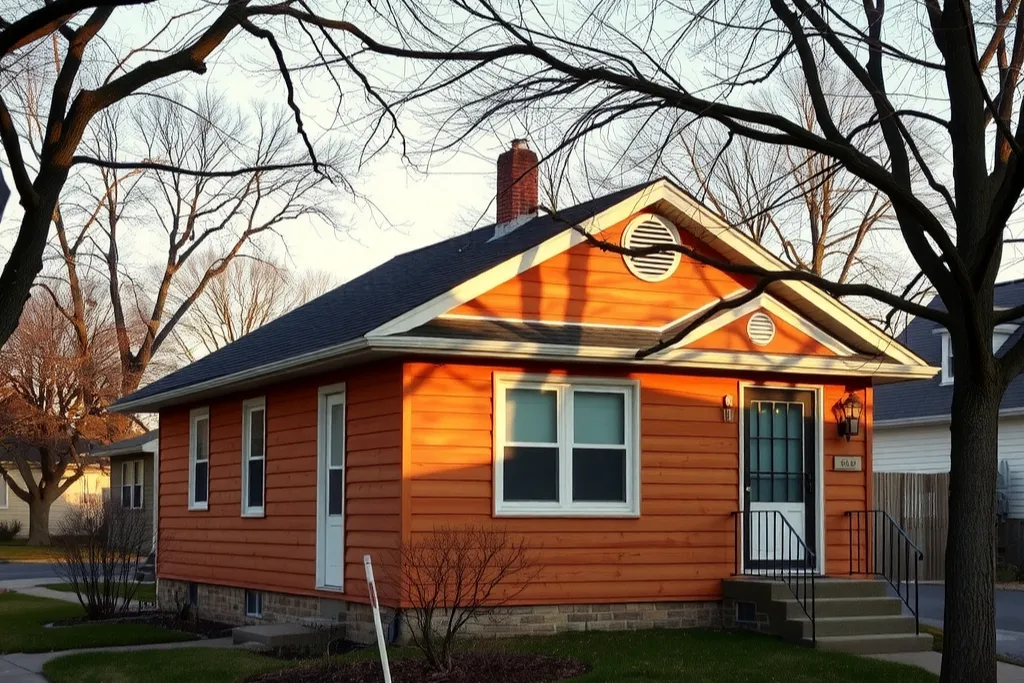
Most of the housing in this city went up before 1960, with the 1950s the busiest building decade, and seventy years of pipes, cables and replacement windows leave a lot of small openings at ground level. That is where mice get in each fall, and it is why a visit here spends as much time outside along the foundation as it does in the kitchen.
The calendar is predictable enough to plan around. Cluster flies and overwintering stink bugs wake on sunlit walls in late winter, subterranean termites swarm on warm rainy days between March and May, mosquito season runs from late spring into mid-fall, and the first cool nights send boxelder bugs, multicolored Asian lady beetles and mice toward the house.
Heavy rain is its own event. Overnight rain in July 2012 was called a hundred-year event by the Genesee County Drain Commissioner, and rain on July 10, 2024 flooded roads, basements and yards across the county. Water in a basement brings mice, ants and crickets in with it and leaves damp behind, which is what persuades them to stay.
Pick a service for symptoms, process and typical cost, or call and describe what you hear and see.
The starting visit when something is in the house and nobody has identified it yet: an inspection of the structure, then a plan sized to what is actually there.
The physical half of rodent work: find every gap a mouse can use, close it with material a mouse cannot chew through, and record what was done.
Removing the mice that are in the building now, with placement based on where they actually travel and return visits that confirm the activity has stopped.
Work aimed at a burrowing rodent that lives outside and feeds wherever it can: find the burrows, read the runways, trap, and take away the shelter.
A hardening job for the house you own, aimed at steady rodent pressure from a nearby empty building that no treatment on your side can switch off.
Work at the lowest level of the house, where damp, dark and undisturbed conditions collect the insects and rodents that the rest of the building never sees.
The autumn cluster of insects that gather on sunny walls and push into buildings to overwinter, handled by sealing and well-timed exterior work rather than indoor treatment.
An introduced shield-shaped bug that is established across Michigan and spends the winter inside buildings, handled by closure of the upper envelope and correctly timed exterior work.
Slow, clustering flies that overwinter inside walls and attics and appear at sunny windows all winter, dealt with by attic and upper-wall closure rather than by spraying rooms.
Following a trail back to a colony instead of wiping it off the counter, then baiting or treating in a way that reaches the nest and the queen.
A large ant that excavates galleries in moisture-softened wood, where locating the nest and fixing the water that softened the wood both matter more than the treatment.
An inspection aimed at the one pest in Michigan that can take structural wood apart, followed by a treatment decision based on evidence rather than on a swarm sighting.
Yard-level mosquito reduction built on removing the water they breed in and treating the shaded places where adults rest, across a season that runs late spring to mid-fall.
Work aimed at the boundary between mown lawn and brush, where ticks actually live, on properties at the rural edges of the county.
A baiting and harborage job rather than a spraying job, with attention to the warmth, water and hidden cracks that let a population build unseen.
A methodical, unglamorous job: confirm the insect, inspect the rooms properly, prepare the space, treat, and come back until monitoring says it is over.
Summer work on an insect that defends its nest, where locating it precisely and timing the treatment matter more than anything else about the job.
An indoor job built around a life cycle: most of a flea population is not on the animal, and the treatment has to allow for the stages nothing reaches directly.
A service aimed at the insects spiders eat as much as at the spiders themselves, since a building full of webs is a building with something to catch.
An ongoing, documented program for premises where the problem is continuous: deliveries, waste, public access and shared structure, rather than a single household.
Calls are taken 24 hours a day. A visit the same day is possible when a technician is free, and no arrival time is promised to anyone.
Nothing is applied until someone has walked the outside at ground level, looked at the basement and found what is actually there.
The figure is set on site after the inspection, explained item by item and approved by you before any work starts.
Openings are counted and listed. Rodent work that does not close entry points is work you pay for again next season.
You get a record of what was inspected, what was found, where anything was placed and what could not be reached.
Carpentry goes to a carpenter and drainage to a drainage trade. You hear that at the start, with the reason, not at the end.
Droppings in a pantry, insects on an upstairs window, soft wood by the basement stairs: each one narrows the visit before anyone drives out.
Ground level outside, then the basement or crawl space, then the rooms with signs, then the attic hatch where there is one.
What was found and where, what is proposed, what belongs to another trade, and the price for each part before you agree to any of it.
Treatment and sealing where approved, then a return visit if the findings justify one, to read the result rather than to repeat the first visit.
Rodents and fall invaders, in that order. Older frame housing gives mice and rats gaps at foundations and party walls, and the first cold nights move them indoors. From late summer the calls shift to insects gathering on walls that take the afternoon sun.
A Michigan news report describes the Norway rat as the state's most prevalent rat, and it is a low, burrowing animal that works along foundations, under slabs and through debris. The house mouse is the standard indoor rodent and is far more often what a household is actually hearing in a wall at night. The two need different plans, so identification comes first.
The insect side is seasonal and mostly harmless. MSU Extension groups the boxelder bug, the multicolored Asian lady beetle, the western conifer seed bug and the cluster fly as Michigan's fall invaders; none of them sting, spread disease or breed indoors over winter. What they do is gather in numbers, and the fix is closing the gaps they use.
Because rodents travel between empty and occupied buildings. The city's blight office has contracted pest control firms to trap rats, mice and other nuisance animals at blighted properties before demolition, and the city has said these animals can overrun an abandoned structure and become a neighborhood-wide problem.
For a homeowner on such a block the useful conclusion is that the source may not be on their lot. A single treatment at your address cannot stop re-entry from next door, so the plan is written differently: close your own openings properly once, keep a light monitoring line where the pressure arrives, and repeat that cheaply instead of paying for a full treatment each time something is seen.
Demolition work with the Genesee County Land Bank continues across the county. Clearing a structure moves whatever was living in it rather than ending it, so the weeks around a nearby clearance are the weeks to have your own foundation line read. What sealing reaches is set out in its own guide.
Subterranean termites, which MSU Extension calls the most serious wood-destroying pest in Michigan, and carpenter ants, which are a common concern in damp wood. Both follow moisture, so a basement that keeps taking water is a structural question as well as a pest one.
The eastern subterranean termite works from the soil up into wood and keeps its runs enclosed in mud, which is why damage can be well advanced before anything shows in a room. Mud tubes on a foundation wall, discarded wings at a window in spring and wood that gives under a probe are the three findings an inspection looks hardest for.
Carpenter ants need wood that is already damp, so they tend to appear where a gutter has been overflowing, where a sill has stayed wet or where a leak has been running quietly under a sink. Treating the ants without fixing the water gets you the same colony in the same timber a year later.
Mosquito season runs late spring to mid-fall, and the Genesee County Health Department reported a West Nile positive bird in Flushing Township in August 2025. Ticks are an outdoor-edge concern in the rural townships, in brushy margins rather than on a mown lawn.
Mosquitoes develop in small volumes of still water, which means gutters, saucers, tarps, tires and anything upturned matter more than any body of water nearby. A weekly walk with a bucket in season does more than most products, and treatment aims at the shaded places adults rest in rather than at open lawn.
On rural parcels the inventory is longer and the margins matter: a mown buffer between long growth and the yard is the practical measure. Mosquito work and tick work are planned as seasons rather than as single visits.
ZIP 48502, 48503
ZIP 48505
ZIP 48504
ZIP 48507, 48553
ZIP 48551, 48552
ZIP 48506, 48556
ZIP 48532, 48554, 48501
ZIP 48529, 48519, 48509
ZIP 48439, 48480
ZIP 48458
ZIP 48437
ZIP 48473
ZIP 48423
ZIP 48433
ZIP 48411
ZIP 48420
ZIP 48438
ZIP 48449
ZIP 48436
ZIP 48463
ZIP 48457
ZIP 48451
Flint, MI · 25 km service radiusCall (855) 974-4733
We also cover many smaller communities across Genesee County. Check your ZIP.


If it's an emergency, call now. For non-urgent pest control, send the form and we'll call you back.
No two homes in Flint price the same way, so this guide prints no figure.
An unoccupied building is shelter, and shelter close by means pressure on the houses around it.
When the first cool nights arrive, insects that spent the summer outdoors look for a dry gap to overwinter in, and sunlit walls are where they gather.
The phone is answered at any hour, and a same-day visit is possible when a technician is free. No arrival time is promised, because the honest answer depends on who is available and where they are. When you call you will be told what the visit covers and what the technician will be looking for, and the price for the work is set on site after the inspection.
You will get the factors rather than the figure: building size, access, which pest is found, how many openings need closing and how many visits the plan runs to. A number for work on a building nobody has seen is a guess. The price is explained item by item on site, approved before anything is applied, and you keep the written findings if you decide against it.
Sometimes. Where an inspection finds a single opening and no live activity, closing it is the whole job. Anything with a population behind it, rodents and cockroaches in particular, needs at least one return visit to read the result rather than to repeat the first one. Each visit is priced on its own, so you can stop after any of them.
Yes. Commercial work is usually planned as scheduled visits with records kept, because a kitchen, a store or a shared building has to be able to show what was done and when. The drivers are the same as for a house: the size of the premises, the access, what is found and how often someone has to come back.
Flint itself and the communities around it, including Flint Township, Burton, Grand Blanc, Mount Morris, Genesee Township, Swartz Creek, Davison, Flushing, Clio, Montrose, Linden, Goodrich, Atlas, Lennon, Gaines and Otisville. The service area pages list what each one is like to work in, and the ZIP check confirms coverage by code.
Make the perimeter reachable and write down what you have seen. Move stored material off basement walls, clear a path around the outside, unlock a crawl space hatch, and keep anything you found rather than cleaning it away: droppings, wings on a sill, gnawed packaging. An hour of that turns caveats in the report into findings. Call (855) 974-4733 if you are not sure what matters.